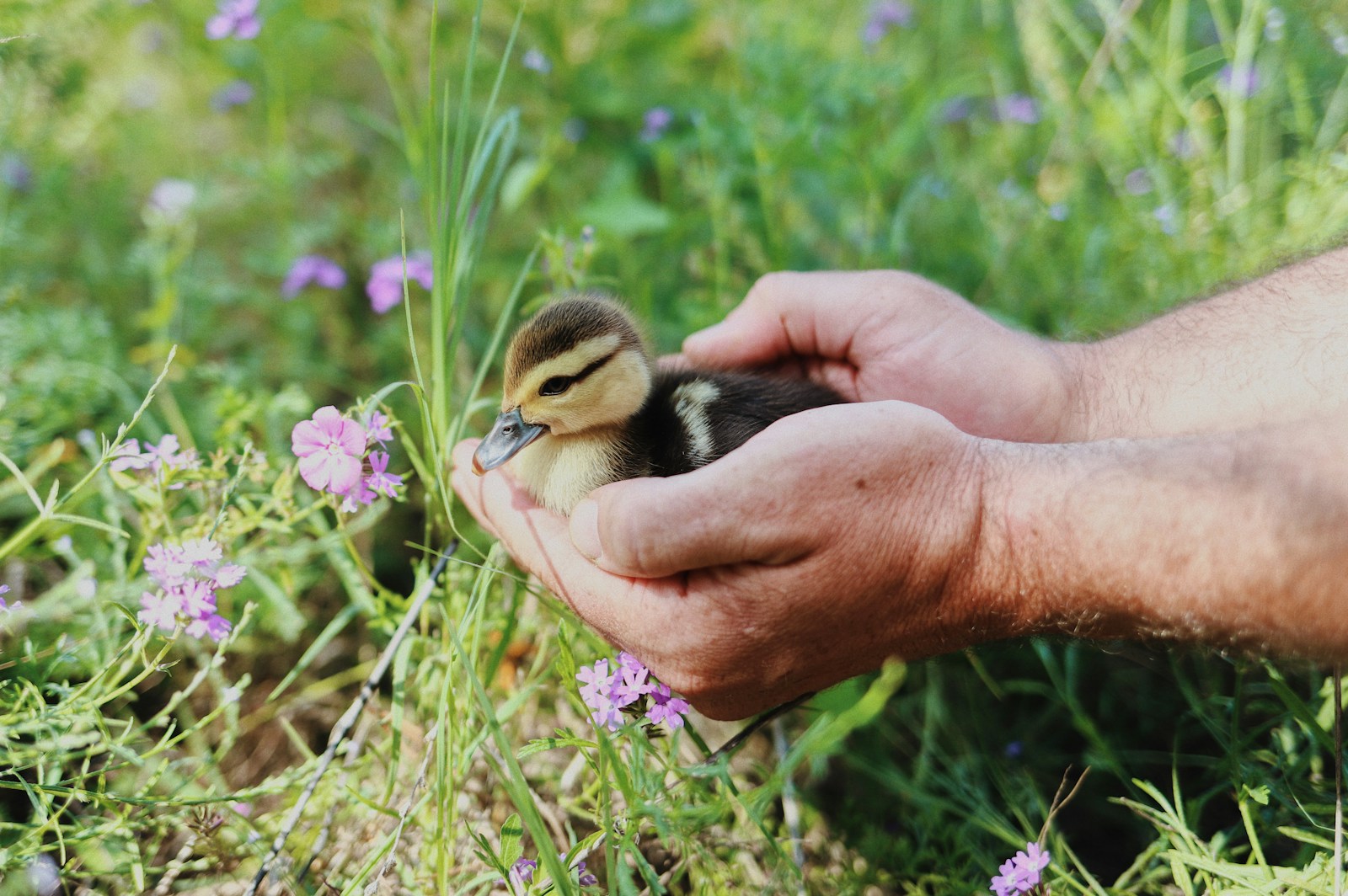
Kids learn biodiversity best with dirt under their nails, not from a slideshow. Eco-Literacy Activities: 7 Backyard Projects That Teach Kids About Biodiversity gives you hands-on, backyard-ready ideas that turn curiosity into real understanding. You’ll turn plant pots into pollinator pit stops, leaves into labs, and puddles into micro-ponds. The goal isn’t perfection, it’s noticing, measuring, and asking better questions. These backyard projects fit small patios and large yards alike and can double as STEM lessons, art prompts, and simple family routines that build eco-literacy naturally.
Getting Ready: Space, Materials, And Safety
You don’t need a meadow to teach biodiversity, just a patch of soil, a balcony box, or even a sunny windowsill. Pick one area to be “the lab” for consistency when comparing observations over time. A simple plastic bin lid can serve as a base station for tools and notes.
Keep a lightweight kit so set-up takes minutes, not momentum:
- Essentials: hand lens, small shovel or old spoon, spray bottle, ruler, recycled containers, colored pencils, duct tape, twine, field notebook or clipboard, phone for photos, and kid-sized gloves. Optional: a bug viewer jar with ventilated lid, mesh strainer, and a shallow tray.
Safety and ethics matter. Teach gentle handling (no squeezing insects), quick observations followed by release, and handwashing after soil work. Avoid pesticides and herbicides for at least two weeks before starting: they flatten your findings. If you’re in a tick or mosquito region, use repellent, wear closed shoes, and do a tick check after longer sessions. Remind kids that stings and scratches happen, move slowly, don’t disturb nests, and skip any project if wildlife looks stressed.
Seven Backyard Projects To Explore Biodiversity
Pollinator Pit Stop: Plant Natives And Build A Bee Bath
Choose 3–5 regionally native flowering plants with staggered bloom times, spring, summer, fall, so nectar is available across seasons. Think milkweed or asters in much of the U.S., or check your local native plant society list. Plant in clumps (3+ of the same species) to create a visible “target” for bees and butterflies. Skip pesticides: pollinators are sensitive.
Add a bee bath: a shallow saucer filled with water and pebbles or marbles. The stones give safe landing pads so bees don’t drown. Refresh every 2–3 days to prevent mosquito breeding and to keep it clean. Ask kids to time visits: Which flowers get traffic at 10 a.m. vs. 4 p.m.? Are tiny metallic sweat bees visiting different blooms than bumble bees? You’ll be modeling basic field methods, controlled location, repeated measures, and species notes, without the jargon.
Mini BioBlitz: Count, Sketch, And Compare Species
Set a 15–30 minute timer and tally every living thing you can spot in a defined area: plants, insects, birds, fungi, even lichens on the fence. Snap a photo, sketch key features, and jot a one-line note (“ant with red thorax carrying crumb”). Repeat on different days, times, or weather conditions. A cool, cloudy morning will never match a warm afternoon, and that’s the point.
Introduce the idea of species richness (how many kinds) versus abundance (how many individuals). If interest is high, try a square-meter survey using a taped frame or hoola-hoop: list everything inside, then compare week to week. You’re training eyes and brains to detect change, which is the heartbeat of eco-literacy.
Soil Safari: Sift Soil And Map Life Underground
Most biodiversity is invisible at a glance. Scoop a small spade of soil and spread it on a white tray. Lightly mist it, dry critters hide. Use a mesh strainer or your fingers to sort through layers. Look for springtails (tiny jumpers), ants, beetle larvae, millipedes, and fine roots. Count individuals for five minutes, then draw a simple “soil map”: where did you find the most life, under the mulch, near a plant stem, or in compacted path soil?
Optionally, set up a basic Berlese funnel: a plastic bottle with the bottom cut off, soil in the top, paper funnel, and a jar below. A desk lamp gently warms the soil from above so tiny arthropods move downward into the jar over a day. Discuss why moisture, shade, and organic matter change who lives where.
Decomposer Detective: Leaf Litter Lab Or Mini Compost
Rake a small pile of mixed leaves into a corner. Slide a damp cardboard sheet on top to hold moisture. Once a week, lift the “lid” and see who’s at work: pill bugs, worms, slender centipedes, even fungal threads. Chart the pile’s texture from “crunchy” to “crumbly.” If you compost, designate a small, kid-managed bin: alternate handfuls of browns (dry leaves, shredded paper) with greens (fruit peels), keep it barely damp, and turn with a trowel.
Ask: Which materials disappear fastest? Banana peels often shrink in days: thick magnolia leaves can linger for months. That’s an entry point into carbon, nitrogen, and why decomposers fuel soil health, biodiversity that feeds biodiversity.
Backyard Bird Buffet: DIY Feeders And Daily Counts
Thread cheerios on pipe cleaners, smear a pinecone with peanut butter (or sunflower butter), then roll it in seeds. Hang at two heights: eye level and higher. Add water in a shallow dish with a flat stone in the center for perches. Set a daily five-minute window to count visitors. Kids can log “species,” color patterns, or behaviors: ground pecking vs. feeder visits, solo birds vs. flocks.
If you prefer not to feed, focus on habitat: native seed heads (coneflower), winter berries (winterberry holly), and a brush pile provide natural food and shelter. Keep windows bird-safe with decals or interior shades during peak activity to reduce collisions.
Microhabitat Hotel: Rock, Stick, Or Brush Pile Shelter
Pile fist-sized rocks with gaps between them to create cool crevices. Or stack sticks and prunings into a knee-high brush pile. Tuck a few hollow stems (think spent sunflower or bamboo) horizontally for solitary bees. Place the “hotel” near a corner that won’t be disturbed daily.
Return weekly to check residents: spiders, ground beetles, snails, and occasionally toads. Talk about microclimates, shade vs. sun, wet vs. dry, and why tiny changes in temperature and moisture lead to different guests. If you build a store-bought “bee hotel,” keep hole diameters between 3–8 mm, ensure tubes are removable for cleaning, and face it southeast for morning warmth.
Water Watch: Rain Tray Or Mini Pond For Aquatic Life
Set out a dark, shallow tray or wide planter base to catch rain (or fill it). Add a rock ramp so small creatures can exit. Place a clump of submerged oxygenating plant (anacharis) or a few strands of pondweed if available. Avoid fish: they’ll eat everything. Check daily for mosquito larvae: if present, empty and refill or add a mosquito dunk (Bti), which targets larvae but is generally safe for other wildlife.
Kids can track surface tension skaters, diving beetles, and tiny “comma” larvae. Compare clear vs. shaded placements. For a slightly larger project, sink a clean dishpan level with the soil, add pebbles, a stick perch, and a few native water plants in pots. You’ll quickly see how water, even in a saucer, multiplies biodiversity by offering drinking, breeding, and hunting zones.
What Kids Learn: Core Eco-Literacy Concepts And Skills
Each backyard project quietly builds science foundations:
- Observation and pattern recognition: noticing time-of-day activity, weather effects, and seasonal shifts.
- Systems thinking: connecting plants, pollinators, decomposers, soil, water, and shelter into feedback loops.
- Measurement and basic data literacy: counts, simple graphs, timelines, and comparisons (richness vs. abundance).
- Ethics and stewardship: gentle handling, habitat care, and minimizing impact.
In short, these eco-literacy activities turn “What is that?” into “How does it fit?”, the question that drives real understanding of biodiversity.
Record, Reflect, And Share: Field Notes, Photos, And Maps
Pick one notebook for all projects. Start each entry with date, time, weather, and location (“bee bath, east corner”). Add a quick sketch or photo and one surprising detail, “sweat bees favored white yarrow today.” Every few weeks, make a simple line graph of a recurring count (bird visits per 5 minutes) or map your yard labeling hot spots for life.
If kids enjoy tech, try a slow-mo video of bee landings or a time-lapse of a compost pile shrinking. Build a shared album to compare seasons. Reflection matters: ask, “What changed? What might happen if we add shade? What can we test next?” That turn from noticing to questioning is the leap into scientific thinking.
Extend The Learning: Seasonal Variations And Community Science
Rotate projects with the calendar: spring planting and bioblitzes: summer bird baths and mini-ponds: fall leaf-litter labs: winter feeder counts and tracking prints in mud or snow. Revisit the same spots so kids see cycles, not one-offs.
When you’re ready, upload observations to community science platforms such as iNaturalist or eBird. Kids love seeing their dots on a real map, and you’ll contribute useful biodiversity data while practicing careful IDs and photo documentation. Local nature centers often host family challenges, join one as a motivator and to learn from others.
Conclusion
Eco-Literacy Activities: 7 Backyard Projects That Teach Kids About Biodiversity isn’t a weekend checklist, it’s a habit of attention. Start with one project, keep notes, and let curiosity steer the next step. As your small habitat gets richer, your kids’ questions will too. And that’s the win: not perfect gardens, but budding naturalists who can read the living world right outside your door.
Frequently Asked Questions
What are eco-literacy activities, and how do they teach kids about biodiversity?
Eco-literacy activities are hands-on projects—like mini bioblitzes, bee baths, soil safaris, and micro-ponds—that help kids observe living things, record patterns, and ask questions. By comparing species richness and abundance, noting weather and time effects, and reflecting in field notes, children build real understanding of biodiversity systems.
How do I set up a backyard pollinator pit stop and bee bath?
Plant 3–5 regionally native flowers with staggered bloom times and group each species in clumps. Skip pesticides. Add a shallow saucer with water and pebbles so bees can land safely, refreshing every 2–3 days. Have kids time visits and note which pollinators prefer different flowers through the day.
What is a Mini BioBlitz, and how can kids compare species richness vs. abundance?
Set a 15–30 minute timer and tally every plant, insect, bird, fungus, and lichen in a defined area. Photograph or sketch quick IDs and repeat under different weather or times. Richness means how many kinds; abundance means how many individuals. Use a hoop or square-meter frame for consistent comparisons.
How can we create a safe mini pond or rain tray without encouraging mosquitoes?
Use a dark, shallow tray with a rock ramp and optional oxygenating plant. Check daily; if larvae appear, empty and refill or use a Bti mosquito dunk. Avoid fish. Compare shaded versus sunny placements and log visitors like water striders and diving beetles to see how water boosts backyard biodiversity.
What age is best to start eco-literacy activities, and how long should sessions last?
Start as early as preschool with short, guided observations and gentle handling. Keep sessions 10–20 minutes for young kids, 20–30 minutes for elementary, extending as interest grows. Use simple tools (hand lens, notebook) and repeat in the same spot to notice change—key to eco-literacy development.
Do these eco-literacy activities support STEM or NGSS learning at home?
Yes. They align with NGSS science practices: asking questions, planning investigations, analyzing data, and constructing explanations. Kids measure counts, graph bird visits, compare variables (time, weather), and model systems (plants–pollinators–decomposers). Adding community science uploads (eBird, iNaturalist) reinforces data quality, evidence-based claims, and real-world relevance.
No responses yet