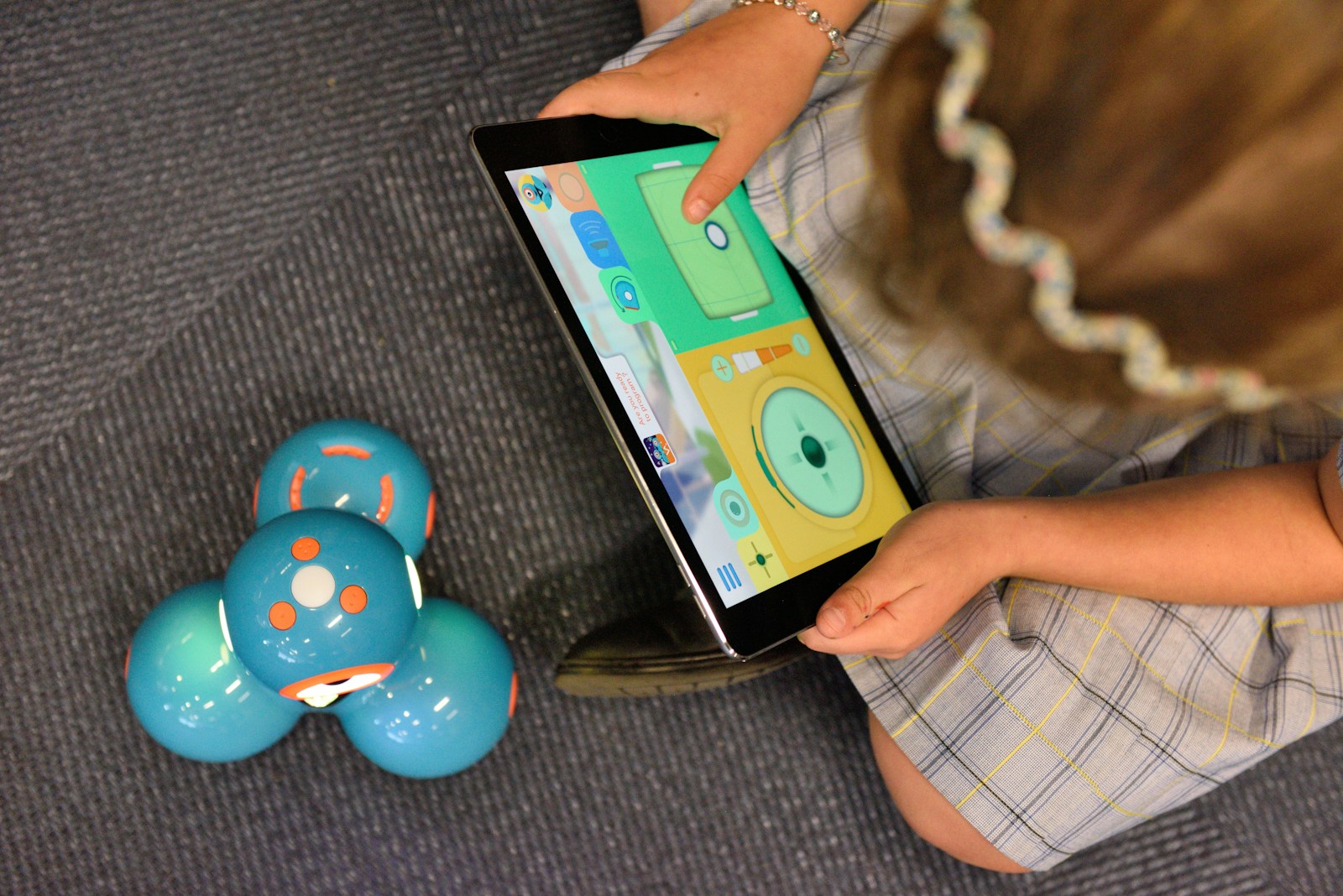
If your child’s attention seems to shatter the second a notification pings, you’re not imagining it. Constant screen-swapping taxes working memory and chips away at patience. Analog play, hands-on, screen-free projects, does the opposite. It slows the pace, asks for persistence, and rewards deep focus. The good news: you don’t need a craft store haul or a weeklong retreat to make it work. With a few simple routines and the right projects, you can rebuild your child’s capacity for attention and self-regulation, one satisfying session at a time.
Why Analog Play Matters for Attention and Self-Regulation
Analog play trains the same mental muscles kids need for school, chores, and friendships. When your child kneads dough, threads a needle, or engineers a cardboard ramp, they’re practicing:
- Focused attention: Staying with a single task long enough to see cause and effect, notice mistakes, and correct them.
- Executive function: Planning steps, holding rules in mind, and shifting strategies.
You also get natural self-regulation. Tactile, rhythmic activities, stitching, painting washes, sorting seeds, settle the nervous system. There’s immediate feedback (the marble falls, the bread rises), but not instant gratification. That tiny gap between effort and payoff is where patience grows.
Most importantly, analog play restores a sense of agency. Your child can see, touch, and change the world right in front of them. That’s powerful. And it often spills over: kids who learn to manage frustration during a marble-run rebuild are better equipped to handle a tough math problem later.
Think of analog play as cross-training for attention. It’s not anti-tech: it’s a steady counterweight.
Setting Up for Success: Ground Rules, Materials, and Environment
Create a Distraction-Light Space and Simple Supply Kit
You don’t need a dedicated studio. Aim for a predictable spot, a corner of the dining table or a fold-out card table, where projects can live between sessions. Reduce visual noise: a simple tray or shallow box keeps materials contained and signals “this is where making happens.” Park devices outside the space (yours too, if possible). A quiet playlist is fine: if music turns into a concert, nix it.
Start with a small kit so decisions don’t overwhelm focus. A good beginner bundle:
- Cutting/connecting: child-safe scissors, masking tape, glue stick, twine, a hole punch
- Paper basics: printer paper, a small stack of cardstock, a pad of mixed-media paper
- Buildables: a breakdown box of clean cardboard, paper rolls, a cup of building bricks
- Mark-maker trio: pencils, washable markers, watercolor set + two brushes
- Odds and ends: buttons, bottle caps, cloth scraps, binder clips, LED stickers + coin cell
Refresh as projects evolve, but keep it lean. Decision fatigue is real.
Establish Routines, Time Boundaries, and Clear Choices
Analog play thrives on rhythm. Choose a reliable window, after snack, before dinner, weekend mornings, and protect it like a lesson. Use a simple time boundary: “We’ll make for 25 minutes: if you’re in flow, we can add 10.” Visual timers help kids externalize time, so they don’t have to hold it in working memory.
Offer two to three project choices at a time, not twelve. Pre-set the materials so starting is frictionless. And agree on clean-up roles before you begin (you wash brushes, I wipe the table), so endings are as predictable as beginnings.
12 Screen-Free Projects That Build Deep Focus
Nature Treasure Hunt Journal
Head outside with a clipboard, paper, tape, and a pencil. Choose a theme, textures, colors, or patterns. Collect small finds (a fallen leaf, a feather), then tape them into a “field journal” and add quick sketches or words. The hunt sharpens observation: the journaling slows it down into reflection. Extend it by returning to the same spot each week to record changes.
DIY Cardboard Marble Run
Cut cardboard channels, tunnels, and bumpers, then hot-glue or tape them onto a vertical board (an old box works). Iterate to control speed: steeper angles = faster runs: longer zigzags = slower. Label versions (v1, v2) so your child sees their engineering evolve. The test–tweak loop is a perfect attention workout.
Slow Stitching Sampler (Sewing by Hand)
Use a scrap of fabric in a hoop, a blunt needle, and embroidery thread. Teach three stitches, running, whip, and backstitch, and practice rows like musical scales. There’s counting, patterning, and the satisfying rhythm of pull-and-through. If mistakes happen, celebrate unpicking as part of the craft.
Origami Story Series
Pick 3–5 simple figures (boat, fox, house, crane). Fold them over a few sessions, then create a story sequence with the models as characters. Your child illustrates backgrounds or speech bubbles on cardstock. Folding builds precision: the story piece invites creativity and continuity.
Bread Baking Basics for Kids
Start with a no-knead dough: flour, water, salt, yeast. Kids measure, mix, and wait, a built-in lesson in delayed gratification. Shape mini loaves or rolls: compare textures from different proof times. For sensory-seekers, kneaded dough adds the joyful “stretch and fold.”
Shadow Puppet Theater
Cut characters from cardstock, tape them to skewers, and project with a flashlight behind a sheet. Experiment with distance to enlarge or shrink silhouettes. Add a simple soundtrack with a xylophone or homemade shakers. Performing builds confidence: rehearsing builds focus.
Watercolor Field Studies
Paint small, repeatable studies: five 2×3-inch rectangles per page. Each study explores one idea, wet-on-wet skies, leaf gradients, bark textures. The tiny format reduces pressure and turns practice into a series. Date the page to track growth over time.
Seed-to-Plate Windowsill Garden
Sprout fast growers, radishes, microgreens, basil, in recycled containers. Kids log germination dates, measure height, and sketch leaves. Harvest day becomes a small feast: buttered radish toast or basil on pasta. It’s biology, patience, and pride in a pot.
Handmade Board Game: Design, Build, Play
Choose a theme your child loves (space cats, jungle explorers). Draft a simple path or grid, design rules, and make prototype cards. Playtest, then revise unclear rules or imbalanced cards. Box it up with a title and art. The cycle mirrors real-world design thinking.
Paper Circuit Greeting Cards (LED + Battery)
Use copper tape, an LED sticker or standard LED, and a coin cell battery to light a star or candle on a card. Kids map out positive/negative paths and troubleshoot connections. It’s electricity you can hold, and a keepsake for a grandparent.
Puzzle Design and Exchange
On cardstock, draw a scene, glue to thin cardboard, and cut into custom pieces (start with large, irregular shapes: add complexity later). Trade puzzles within your family or with friends. Designing with the end-user in mind strengthens planning and empathy.
Clay Miniatures and Dioramas
Air-dry clay + a shoebox becomes a habitat, room, or tiny bakery. Kids sculpt figures, bake goods, or furniture: then stage scenes and write a short caption or menu. Fine-motor focus meets storytelling.
Building Brick Architecture Challenge
Bonus challenge: choose a real structure (a lighthouse, desert adobe, or your local library). Study a couple of photos, then recreate key features at mini scale. Limit yourself to a specific number of pieces to increase intentionality. Photograph versions and note improvements.
Adapting Projects by Age and Learner Needs
Early Years (Ages 3–5): Short, Sensory-Rich Tasks
Keep sessions 10–15 minutes. Prioritize big motions and textures: watercolor swishes, clay pressing, seed sprinkling, tearing tape, sticking shapes. Offer one clear goal: “Let’s make a zigzag ramp,” not “Design a complex course.” Use timers as a friendly countdown and end with a ritual, one photo of the work, one deep breath, high-five.
Elementary (Ages 6–9): Stepwise Projects With Choice
Kids this age thrive on visible steps and small decisions. Break tasks into chunks: plan, build, test. Give choice among materials or themes, not rules. For a marble run, you might say, “Today we’ll add two curves, pick which boxes to cut.” Encourage labeling versions and reflecting: “What changed from v1 to v2?”
Tweens and Diverse Learners: Deep-Dive Challenges and Roles
Invite longer arcs, multi-session builds, game iterations, or an origami series. Add roles to support collaboration and regulation: designer, tester, documentarian, materials lead. For ADHD or sensory differences, aim for:
- Clear visuals (photo checklists, taped outlines on the table)
- Built-in movement (stand to paint washes, fetch water, do a “test lap”)
Offer “just-right” challenge by adjusting constraints, time limits, piece counts, or rule tweaks, so tasks stay engaging without tipping into overwhelm.
Troubleshooting: From “I’m Bored” to Absorbed
Engagement Techniques: Priming, Timers, and Scaffolds
Prime attention before starting: a 60-second sensory warm-up (hand rubs, squeezing a stress ball, three wall push-ups) can settle the wiggles. Use a visual timer and narrate expectations lightly: “We’ll make for 15 minutes: if you’re curious after, we’ll keep going.” Scaffold steps with micro-goals: “First, trace two rectangles. Then cut. Then test.”
Model curiosity instead of fixing. Ask, “What do you think will happen if…?” not “Here’s the right way.” When kids own the hypothesis, they own the learning.
When to Pivot: Adjusting Challenge, Duration, or Materials
If frustration spikes, tweak one variable:
- Challenge: add a constraint (“only three pieces”) or remove one (“any tape you want”) to reset novelty.
- Duration: shorten the sprint: end on a win: pick it up tomorrow.
- Materials: swap to a different texture or tool, watercolor to markers, needle to yarn lacing, cardboard to LEGOs.
And if a project truly stalls, call it a prototype. Photograph what worked, write one idea for next time, and move on. Momentum matters more than finishing every single thing.
Conclusion
You don’t have to overhaul your life to restore focus, you just need a repeatable setup and a handful of analog projects that invite deep work. Start small, protect the time, and let iteration be the teacher. Screens will still be there. But now your child will have a sturdier attention span, steadier self-regulation, and a growing stack of handmade proof that they can start, persist, and finish. That confidence? It sticks.
Frequently Asked Questions
What is analog play, and how does it help restore your child’s focus?
Analog play is hands-on, screen-free making—like stitching, cardboard builds, or watercolor studies. It trains focused attention and executive function through stepwise tasks and delayed rewards. The tactile, rhythmic nature calms the nervous system, growing patience and self-regulation that carry over to schoolwork, chores, and problem-solving.
How do I set up a distraction-light space for screen-free projects at home?
Claim a predictable spot—a table corner or fold-out surface—where projects can live between sessions. Contain materials on a tray, park devices outside (yours too), and keep supplies lean: scissors, tape, paper, cardboard, markers, simple buildables, and a few odds and ends. Use quiet music only if it doesn’t compete for attention.
How long should analog play sessions be for different ages?
For ages 3–5, keep sessions 10–15 minutes with big, sensory motions. Elementary kids thrive with 20–30 minutes in clear steps—plan, build, test. Tweens can handle longer, multi-session challenges. Use visual timers and a simple boundary—“25 minutes, then add 10 if in flow”—to keep effort focused and predictable.
What are some easy screen-free projects to build attention at home?
Try a cardboard marble run, slow stitching sampler, origami story series, watercolor field studies, seed-to-plate windowsill garden, paper-circuit cards, handmade board games, or clay miniatures. These invite test–tweak loops, fine-motor focus, and delayed gratification—ideal for attention, planning, and self-regulation without requiring special gear.
Is analog play helpful for kids with ADHD or sensory differences?
Yes. Provide clear visuals (photo checklists, taped table outlines), built-in movement (stand to paint washes, fetch water), and defined roles (designer, tester). Adjust constraints—piece limits, time caps, or simpler rules—to hit a “just-right” challenge. Short, predictable sprints with quick wins reduce overwhelm and boost engagement.
How often should families do analog play to see benefits, and can it replace screen time?
Aim for consistent rhythm—three to five sessions per week, 20–30 minutes, with room to extend when in flow. Analog play isn’t anti-tech; it’s a counterweight. Use it to anchor daily routines and park devices during sessions. Over time, you’ll see steadier focus and better self-regulation.
No responses yet